Slip & Fall — Premises Liability
Property owners and businesses have a legal duty to keep their premises reasonably safe. When they cut corners, people get hurt — and we hold them accountable.
The cases we handle every week
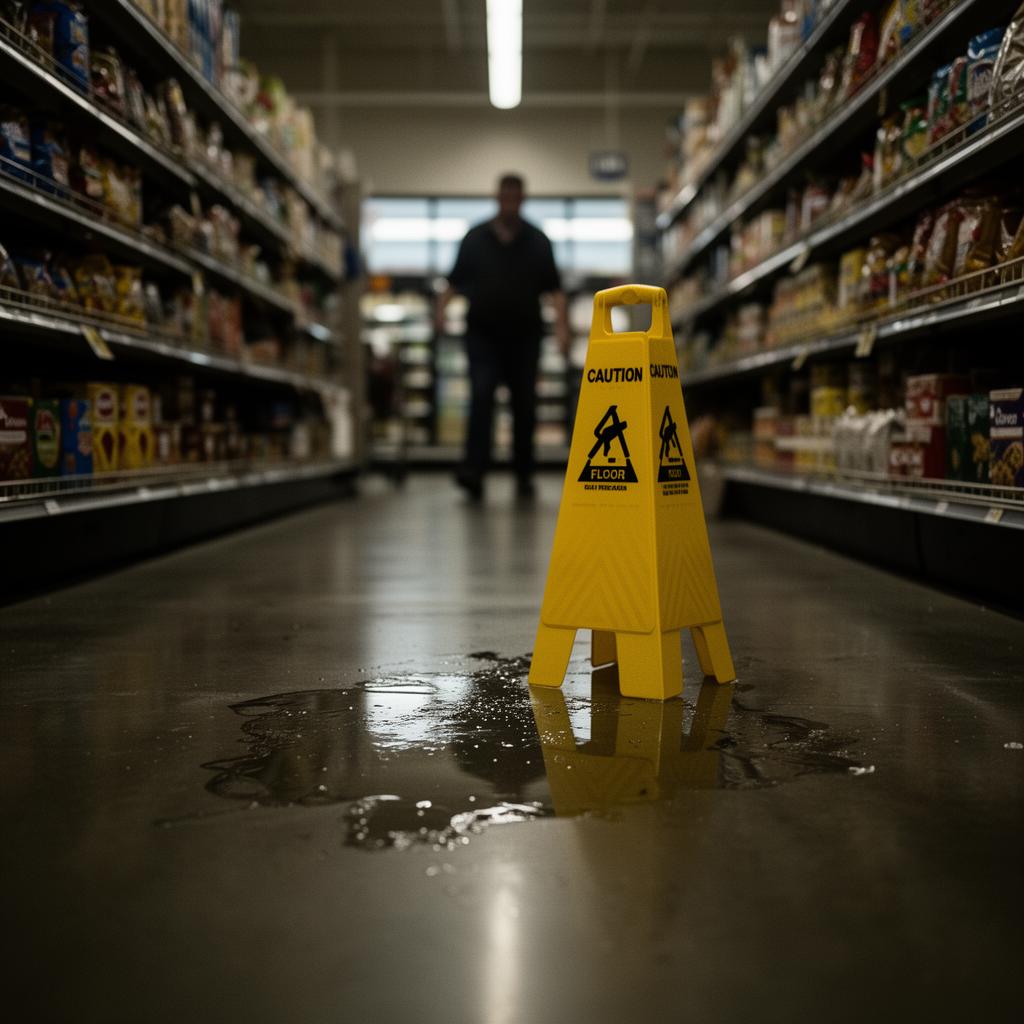
Wet Floors in Stores
Spills not cleaned, no warning cones, and unsafe entryways during rain are leading causes of fall injuries.
Poor Lighting
Dim parking lots, stairwells, and hallways hide tripping hazards. Inadequate lighting is negligence.
Broken Stairs & Handrails
Loose carpet, cracked treads, or missing rails — landlords and businesses are responsible.
Construction & Debris
Unmarked obstacles, exposed wiring, and uneven surfaces during renovations cause serious injuries.
Ice & Weather Hazards
Even in Charleston, freezes happen. Owners must address known weather hazards within reason.
Uneven Sidewalks
Cracked pavement, raised sections, and pot-holed walkways near restaurants and shops.
Proving a slip-and-fall case in South Carolina
Slip-and-fall cases are notoriously hard to win without an experienced attorney. The property owner doesn't automatically owe you money — you have to prove four things: a duty of care existed, that duty was breached, the breach caused your injury, and you suffered actual damages.
The most important factor is "notice." Did the property owner know — or should they have known — about the hazard? A puddle that sat for an hour is different from one that appeared 30 seconds before you fell. We move fast to preserve security footage, incident reports, and maintenance logs before they "disappear."
What to do immediately after a fall
Report the incident to the manager on duty in writing — and ask for a copy. Photograph the hazard from multiple angles before it gets cleaned up. Get names and numbers of any witnesses. Save the shoes you were wearing.
Then see a doctor. Falls commonly cause hidden injuries: concussions, herniated discs, hairline fractures, and rotator cuff tears. Your medical record creates the timeline that connects the fall to your injuries.
Who is liable?
It depends on the property. A grocery store, a restaurant, a hotel, an apartment landlord, a city sidewalk, or a private homeowner — each has different legal duties under SC law.
Our job is to identify every potentially responsible party and pursue every available source of insurance coverage. Sometimes a property is owned by one company, leased to another, and managed by a third — and all three may share liability.
Compensation we pursue
- Emergency room and follow-up care
- Surgery and physical therapy costs
- Lost income while recovering
- Long-term mobility limitations
- Pain and suffering
- Future medical needs
From the first call to your settlement
- 1Free Consultation
Call us 24/7. We'll listen, answer questions, and tell you honestly if you have a case.
- 2Investigation
We gather evidence, interview witnesses, secure police reports, and consult experts.
- 3Negotiation
We deal directly with the insurance carriers so you don't have to.
- 4Trial-Ready
If they won't pay fairly, we file suit. Forty years in SC courtrooms.
- 5Recovery
You pay nothing unless we win. Then we deliver every dollar you're owed.
Slip & Fall — Premises Liability — FAQs
What if I didn't see a 'wet floor' sign?+
That works in your favor. SC law requires reasonable warnings of known hazards. Missing or hidden signage strengthens your case significantly.
The store wants me to give a recorded statement. Should I?+
No — not before talking to us. Adjusters are trained to ask questions designed to shift blame to you. We'll handle all communication.
What if I was partly at fault — say, I was looking at my phone?+
You may still recover. South Carolina uses modified comparative negligence: as long as you're under 51% at fault, your award is just reduced by your share.
How long do these cases take?+
Premises cases typically resolve in 8–18 months. Complex injuries or commercial property cases sometimes take longer — but we never rush a settlement that shortchanges you.
Will the property owner go bankrupt if I sue?+
Almost never. You're really filing a claim against their commercial liability insurance — a coverage they pay for precisely because incidents like this happen.
We handle the full range of injury cases
Injured? Let's talk — at no cost to you.
One phone call connects you to a Taylor & Taylor attorney. No fee unless we win.